Sign in. It’s quick, free and it’s up to you.
An account is an optional way to support the work we do. Find out more.
Sign in. It’s quick, free and it’s up to you.
An account is an optional way to support the work we do. Find out more.
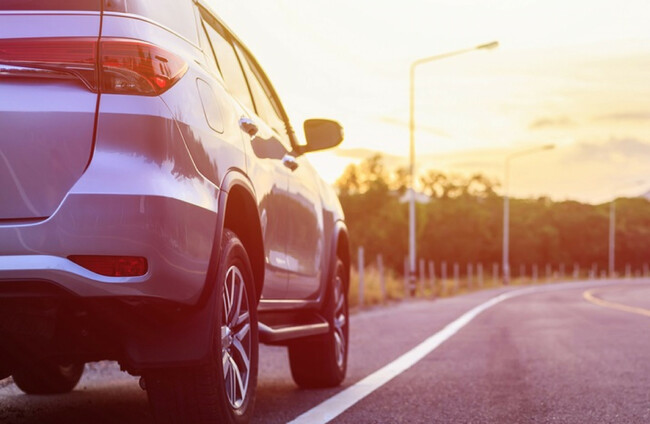
FINDING THE RIGHT car for your needs, lifestyle and budget can be a tricky process. We want to help streamline the search. As part of our Insights series, every week we’ll take a different car-buying question to the experts at the heart of the motor industry.
This week, we asked Paul Linders of Linders Renault in Dublin to offer his insights on the key differences between SUVs and estates.
“Technically an SUV stands for sports utility vehicle, but the word has come to be shorthand for a taller, more on-trend car than a classic saloon or family motor,” says Paul.
Both estates and SUVs are roomy drives that can take on a mix of terrains. So what are the key differences? Here’s what Paul had to say…

An estate is an elongated, cargo-focused version of the classic hatchback or saloon. Thanks to their lower driving position, you’ll generally have more cabin space in an estate than in an SUV. Yes, SUVs look marvellous, but the boot can be compromised in size.
Additionally, an estate’s deep and low boot makes lifting heavy loads in and out easier. Recently I had an avid cyclist in the showroom who had an SUV in mind. In the end we sold him an estate, a Renault Megane Tourer, because his bike fit down nicely into the boot and he could lift it out with ease.
SUVs are typically characterised by their taller stature. That means the driver has better road visibility, and that all passengers are above the line of a crash impact. The higher driving position used to be the sole remit of a Jeep, but it now comes as standard for most SUVs.

Every driving position has its advantages. I’d be a traditionalist when it comes to road feel so I prefer an estate. I like a smaller car with lines that are lower to the ground because it makes the handling better, and that’s something you get more often with a classic estate.
One real benefit of SUVs that us dealers didn’t see coming is that it’s a much more comfortable car for people with back or mobility issues.
It’s a side effect of the high driving position – the way the car is built means you’re stepping into it and stepping down out of it, without having to twist your body as much. For older drivers in particular that’s a great advantage.
Cars like everything else are subject to consumer trends and desires, and SUVs are what the market wants right now. Yes, that is more of a cultural than a practical result but what it does mean is that SUVs win out when it comes to resale value.
As the SUV segment has expanded, the small to mid-size options have become hugely popular. They’ll comfortably fit a family of four, they’re safe, and if you live rurally or have off-road aspirations you can opt for one with four-wheel drive.

Don’t panic if you’re considering selling or trading up from your estate and are thinking there’s no market for it. Firstly, because there are less used estates on sale these days, there’s still demand for the ones we do sell.
Secondly, SUVs may be on trend right now, but a smart buyer knows that the ‘right’ car is the one that meets as many of his or her needs as possible, and that list of needs varies from person to person.

To embed this post, copy the code below on your site









have your say